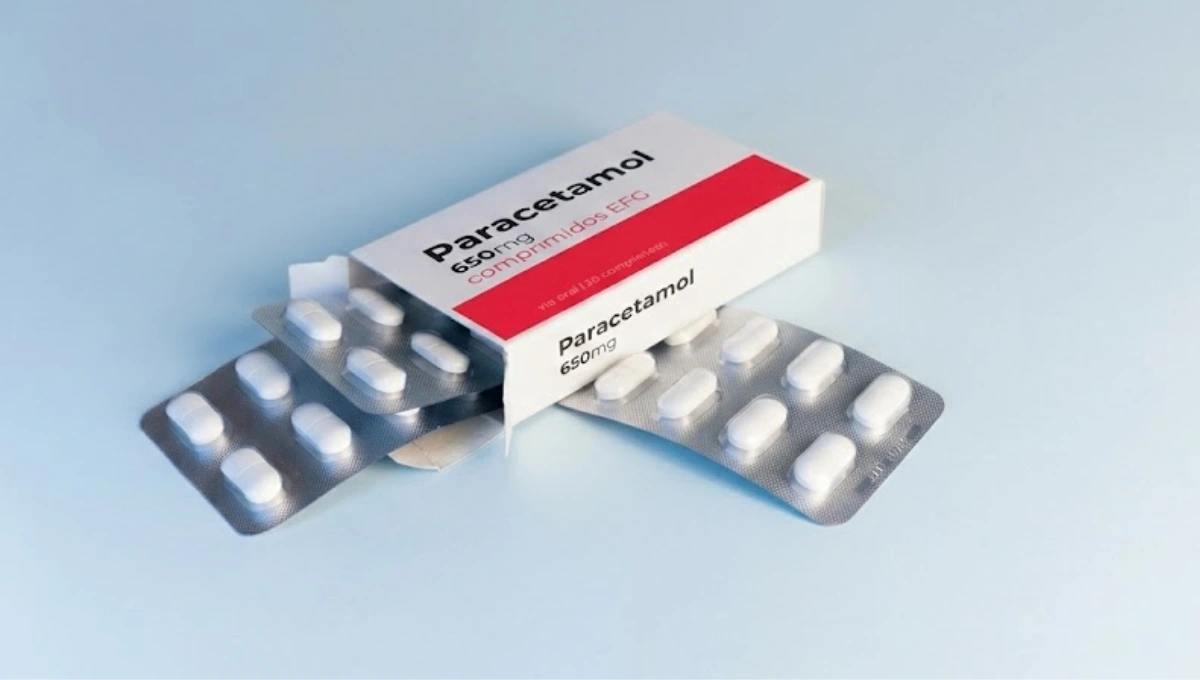
Every day, millions of people take paracetamol without a second thought. Yet paracetamol is the leading cause of acute liver failure in many countries — not because people are reckless, but because they are uninformed.
This guide gives you medically accurate, clearly structured information to use paracetamol safely and correctly.
What Is Paracetamol?
Paracetamol — called acetaminophen in the United States — is an analgesic (pain reliever) and antipyretic (fever reducer). It is available over the counter without a prescription and is also included in many combination cold, flu, and migraine medicines.
How It Works
According to Healthdirect Australia, paracetamol does not reduce inflammation, which distinguishes it from NSAIDs such as ibuprofen. It does not irritate the stomach lining and does not thin the blood, making it a preferred first-line option for many patients.
Paracetamol vs. Acetaminophen
These are the same drug with different names. Paracetamol is used in the UK, India, and Australia. Acetaminophen is used in the United States and Canada.
What Is Paracetamol Used For?
Paracetamol is used to relieve mild to moderate pain — including headaches, toothache, muscle pain, backache, and period cramps — and to reduce fever. According to NHS guidelines, it works within 30–60 minutes and is considered safe when taken at recommended doses for short-term use.
Should You Take Paracetamol?
When You Should Take It
Based on NHS and Healthdirect clinical guidance, paracetamol is appropriate when:
- You have mild to moderate pain (headache, toothache, muscle ache, period pain)
- You have a fever that has lasted fewer than 2 days
- You are pregnant and need a short-term painkiller at the lowest effective dose
- You are breastfeeding — it is the first-choice painkiller in this group
- You have stomach sensitivity that makes ibuprofen unsuitable
When You Should NOT Take It
Do not take paracetamol, or consult a doctor first, if:
- You have a liver condition or history of liver disease
- You drink alcohol heavily or regularly
- You are already taking another medicine that contains paracetamol
- You are treating an infant under 1 month of age
- Your pain or fever has continued beyond 3 days without improvement
Confirmed Medical Uses of Paracetamol
Primary Uses
According to WHO and NHS guidance, paracetamol is recommended as a first-line treatment for acute mild to moderate pain and fever.
- Headaches and migraines — most common reason for use
- Fever — in adults and children
- Toothache — fast short-term relief
- Period pain (dysmenorrhea) — relieves menstrual cramps
- Lower back pain — first-line non-prescription option
- Osteoarthritis pain — in hands, knees, and hips
Secondary Uses
- Muscle strains and post-exercise soreness
- Cold and flu body aches
- Post-vaccination pain and fever in infants and children
What Paracetamol Cannot Treat
Paracetamol is NOT effective for inflammatory pain — such as gout flares or swollen joints — where anti-inflammatory medicines (NSAIDs) perform better.
Read the detailed guide on [Paracetamol Uses in Children and Infants].
Safe Dosage Guidelines
According to NHS and Healthdirect guidelines:
| Patient Group | Single Dose | Frequency | Daily Maximum |
| Adults and teens (over 12, over 50 kg) | 500–1,000 mg | Every 4–6 hours | 4,000 mg |
| Children (1 month–12 years) | 15 mg/kg | Every 4–6 hours | 4 doses in 24 hours |
| Elderly or underweight adults | Lower dose advised | Consult doctor | Consult doctor |
| Infants under 1 month | Do not give | — | — |
Critical Dosing Rules
Never ignore the following:
- Always leave a minimum of 4 hours between doses
- Never take two medicines containing paracetamol at the same time
- If you miss a dose, skip it — do not double the next dose
- 500 mg is often sufficient for mild pain — 1,000 mg is not always necessary
Read the detailed guide on [Paracetamol Dosage: Full Guide for Adults, Children and Special Groups].
The Biggest Mistake People Make With Paracetamol
Why Overdose Happens Even to Informed People
Most paracetamol overdoses are not intentional. They happen because paracetamol is hidden inside other medicines.
A person takes cold capsules (each containing 500 mg paracetamol), then standard paracetamol tablets for a headache, then a branded migraine tablet — also containing paracetamol. By bedtime, they have consumed 5,000–6,000 mg without taking a single “extra” pill.
According to the Australian TGA, this pattern of accidental overdose through combination products is a leading cause of preventable liver injury.
The Simple Fix
Before taking any medicine, check the label for paracetamol content. If another medicine already contains it, you do not need additional paracetamol tablets.
Side Effects of Paracetamol
Mild Side Effects
Paracetamol at recommended doses has very few side effects. Possible mild reactions include:
- Nausea or mild stomach discomfort
- Skin rash (rare hypersensitivity reaction)
Serious Side Effects
Seek medical attention immediately if you experience any of the following:
- Liver damage — the primary overdose risk; symptoms include jaundice, dark urine, and upper abdominal pain
- Kidney impairment — a 2018 PMC review found regular high-dose use was associated with a 23% increase in kidney dysfunction risk
- Elevated blood pressure — two weeks of regular use can raise systolic BP by approximately 4 mmHg
- Gastrointestinal bleeding — risk increases significantly at daily doses above 2–3 g
Learn more about [Paracetamol Side Effects: A Complete Evidence-Based Guide].
Overdose Warning
Why It Is Dangerous
If you suspect a paracetamol overdose — call emergency services immediately.
According to NHS guidelines, paracetamol overdose can cause acute liver failure and death. It is uniquely dangerous because symptoms may not appear for the first 24 hours while serious liver injury silently develops.
Overdose Symptoms
- Nausea, vomiting, and stomach pain
- Jaundice (yellow skin or eyes)
- Confusion and extreme fatigue
- Seizures or coma in severe cases
Treatment
An antidote (N-acetylcysteine, given intravenously) is effective if administered promptly. Delay significantly worsens outcomes and reduces survival chances.
Precautions for Special Groups
Pregnancy
Paracetamol is considered the safest painkiller in pregnancy when used at the lowest effective dose for the shortest possible duration. There is no established causal link between paracetamol in pregnancy and autism or ADHD.
Breastfeeding
Paracetamol is the first-choice painkiller for breastfeeding mothers. It passes into breast milk only in amounts too small to cause harm to the infant.
Children
Always use weight-based dosing. Never give more than 4 doses in 24 hours. Do not use for more than 48 hours in children without medical advice.
Elderly Patients
Standard adult doses may be too high. Reduced liver and kidney function in older adults requires a doctor to advise on the appropriate dose.
Liver Disease Patients
People with any form of liver disease — including fatty liver, hepatitis, or cirrhosis — should consult a doctor before taking paracetamol. Even normal doses may cause serious harm to a compromised liver.
Drug Interactions
High-Risk Combinations
- Warfarin: Regular paracetamol use increases bleeding risk. Use the lowest effective dose and monitor INR closely.
- Other paracetamol-containing products: The most common cause of accidental overdose. Always check labels before combining.
Moderate-Risk Combinations
- NSAIDs (ibuprofen, naproxen): Short-term combined use is generally acceptable. Long-term combined use increases gastrointestinal bleeding risk.
Safe Combinations
- Antibiotics: Paracetamol is safe to take alongside most antibiotics and does not interact.
Learn more about [Paracetamol Drug Interactions: What to Know Before Combining Medicines].
Paracetamol vs. Ibuprofen
Which Should You Choose?
| Factor | Paracetamol | Ibuprofen |
| Pain relief (mild–moderate) | Yes | Yes |
| Fever reduction | Yes | Yes |
| Anti-inflammatory action | No | Yes |
| Stomach irritation | Minimal | Common |
| Safe in pregnancy | Yes (lowest dose) | Avoid in third trimester |
| Safe with warfarin | Preferred option | Use with caution |
| Overdose risk | Liver damage | GI damage |
| Suitable for liver disease | No (use caution) | Yes (generally safer) |
Sources:
For mild pain and fever without inflammation, paracetamol is typically the safer first-line choice — particularly in pregnancy, for the elderly, and for those with stomach sensitivity.
When to See a Doctor
Stop Taking Paracetamol and Consult a Doctor If:
- Fever does not reduce after 2 days of treatment
- Pain does not improve after 3–4 days
- You notice yellow skin or eyes, dark urine, or pale stools
- You develop a rash, swelling, or difficulty breathing
- You are taking paracetamol daily without medical supervision
- You are unsure whether another medicine you take contains paracetamol
Seek Emergency Help Immediately If:
- You have taken more paracetamol than the recommended dose
- You have combined multiple medicines containing paracetamol
- You experience abdominal pain, jaundice, or confusion after taking paracetamol
What You Should Do Now
- Take paracetamol for mild to moderate pain or fever at the correct dose only
- Check every medicine label for hidden paracetamol content before combining
- Do not exceed 4,000 mg per day under any circumstance
- Stop after 3–4 days with no improvement and consult a doctor
- Do not use daily without medical guidance
- Seek emergency help immediately if overdose is suspected — even without symptoms
Frequently Asked Questions
What is paracetamol used for?
Paracetamol is used to relieve mild to moderate pain — including headaches, toothache, muscle pain, and period cramps — and to reduce fever. It works within 30–60 minutes.
What is the safe dose of paracetamol for adults?
Adults can take 500–1,000 mg every 4–6 hours, with a maximum of 4,000 mg per day. Exceeding this limit increases the risk of serious liver damage.
Is paracetamol safe?
Paracetamol is safe at recommended doses for short-term relief. Overdose or long-term daily use can cause serious liver damage, kidney problems, and raised blood pressure.
Can I take paracetamol every day?
Daily use without medical supervision is not recommended. A 2018 PMC systematic review found long-term use is associated with liver damage, kidney impairment, and elevated blood pressure.
Does paracetamol reduce inflammation?
No. Paracetamol is not an anti-inflammatory drug. For inflammatory conditions, NSAIDs such as ibuprofen are more appropriate.
Can I take paracetamol with ibuprofen?
Short-term combined use is generally acceptable. Long-term combined use increases gastrointestinal bleeding risk and should be discussed with a doctor.
Is paracetamol safe during pregnancy?
Yes — it is the safest painkiller in pregnancy at the lowest effective dose for the shortest duration. Always consult your midwife or doctor first.
Is paracetamol safe while breastfeeding?
Yes. It is the first-choice painkiller for breastfeeding mothers. It passes into breast milk only in amounts too small to cause infant harm.
Can children take paracetamol?
Yes, for children aged 1 month to 12 years at 15 mg/kg every 4–6 hours. Do not exceed 4 doses in 24 hours. Do not give to infants under 1 month.
What happens if I accidentally take too much paracetamol?
Call emergency services immediately, even if you feel well. Liver damage from overdose may not show symptoms for 24 hours, and early treatment with N-acetylcysteine is critical.
Can paracetamol be found in other medicines?
Yes — many cold, flu, and combination medicines already contain paracetamol. Always read labels carefully before combining any medicines.
References
- NHS (UK) — Paracetamol for Adults. nhs.uk
- Healthdirect Australia — Paracetamol: Uses, Side Effects and How to Take It. healthdirect.gov.au
- HSE Ireland — Paracetamol. hse.ie
- DrugBank — Acetaminophen: Uses, Interactions, Mechanism of Action. drugbank.com
- Roberts E et al. (2018) — Long-term adverse effects of paracetamol: systematic review. PMC/NIH
- Brune K et al. — Acetaminophen/paracetamol: A History of Errors, Failures and False Decisions. PMC
- Australian TGA — Recommended Paracetamol Doses. tga.gov.au
- Paracetamol — Pharmacology Overview. Wikipedia
Medical Disclaimer: This article is for informational and educational purposes only. It does not constitute medical advice, diagnosis, or prescription. Always consult a registered healthcare professional before starting, stopping, or changing any medication. This content reflects guidance from WHO-aligned sources including NHS, HSE Ireland, and Healthdirect Australia as of April 2026